The concept of business parks has been a cornerstone of the American economy for decades, providing companies with spaces that foster productivity, innovation, and growth. From their origins in the mid-20th century to the smart campuses of today, business parks have evolved significantly, adapting to the changing needs of corporations, startups, and communities. This evolution reflects broader economic, social, and technological shifts in the United States.
The Early Beginnings: Post-War Industrial Expansion
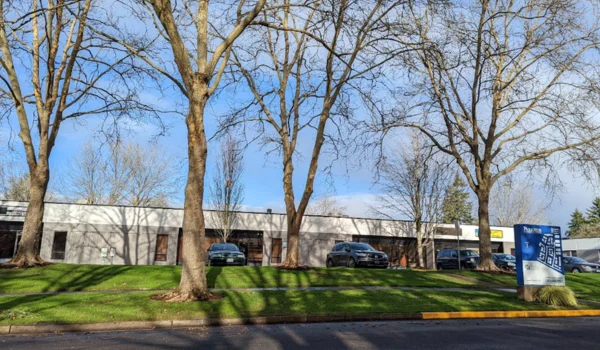
Business parks in the USA emerged after World War II, during a period of rapid industrial growth and suburban expansion. In the 1950s and 1960s, companies began moving out of crowded city centers into suburban areas where land was more affordable. Early business parks were largely industrial estates, providing manufacturing companies with large warehouses, easy access to highways, and proximity to the growing suburban workforce.
These early parks focused primarily on functionality. They were often designed with sprawling layouts, parking lots, and minimal amenities. Their main goal was to support the booming manufacturing and logistics industries that fueled post-war America.
The Rise of Corporate Campuses: 1970s–1980s
By the 1970s and 1980s, the American economy began shifting from manufacturing to knowledge-based industries, such as finance, technology, and professional services. This transition gave rise to the corporate campus model. Unlike industrial parks, these business parks were designed to house office spaces for white-collar workers.
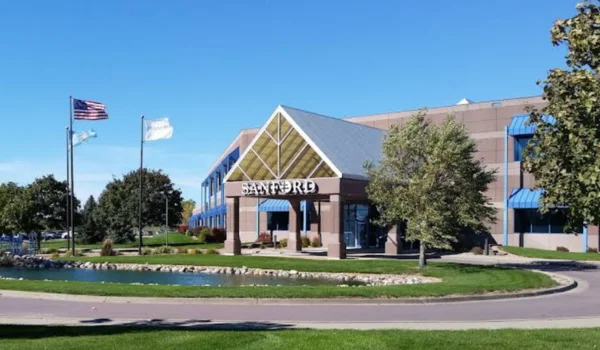
Corporate campuses offered modern office buildings, landscaped environments, and enhanced infrastructure. Companies like IBM and AT&T pioneered the idea of building large suburban campuses that brought employees together in one place. The suburban setting also reflected a lifestyle shift, as many employees were relocating to suburban neighborhoods.
During this time, Silicon Valley emerged as a prime example of how business parks could become hubs of innovation. Technology companies clustered together, benefiting from shared talent pools, collaboration, and proximity to leading universities.
Diversification in the 1990s–2000s
The 1990s and early 2000s saw business parks diversify both in design and purpose. As globalization and the internet transformed business operations, parks began attracting a wider range of industries, from technology and finance to healthcare and media.
Key changes included:
- Mixed-use developments: Some parks began incorporating retail stores, restaurants, and fitness centers to enhance the work environment.
- Technology integration: High-speed internet and advanced IT infrastructure became essential features, attracting startups and tech firms.
- Sustainability focus: Developers started adopting eco-friendly designs, green buildings, and sustainable energy systems.
This period also marked the rise of science and research parks, often affiliated with universities. These parks became hubs for biotech, pharmaceuticals, and research-driven industries, fostering collaboration between academia and private enterprises.
The Modern Era: Smart Business Parks and Innovation Hubs
In recent years, business parks in America have undergone another transformation, aligning with the rise of hybrid work models, digitalization, and employee-centric designs. Today’s business parks are no longer just places to work—they are designed as innovation ecosystems that blend technology, collaboration, and lifestyle amenities.
Key features of modern business parks include:
- Smart technologies: Use of IoT, AI, and advanced security systems for efficient operations.
- Sustainability: Solar panels, LEED-certified buildings, electric vehicle charging stations, and green spaces.
- Employee wellness: Onsite gyms, childcare facilities, walking trails, and wellness programs.
- Collaboration spaces: Flexible offices, co-working areas, and innovation labs to encourage teamwork and creativity.
- Mixed-use integration: Business parks now often include residential spaces, hotels, and entertainment venues, creating self-contained communities.
The pandemic further accelerated this evolution. As remote and hybrid work models became mainstream, companies started using business parks as flexible work hubs instead of traditional headquarters. Many parks now offer shorter leases, co-working spaces, and shared facilities that cater to both startups and Fortune 500 companies.
Regional Examples of Business Park Evolution
- Silicon Valley (California): From orchards to the world’s leading tech hub, this region demonstrates how clustering businesses in one park-like ecosystem can create global innovation powerhouses.
- Research Triangle Park (North Carolina): Established in the 1950s, it has evolved into one of the largest research parks in the world, hosting biotech, IT, and pharmaceutical firms.
- Irving-Las Colinas (Texas): A prime example of a modern mixed-use business district that combines offices, retail, and residential living.
These examples highlight how business parks have adapted to different regional needs while contributing significantly to local economies.
The Future of Business Parks in America
Looking ahead, business parks will continue to evolve in response to technological innovation, workforce preferences, and sustainability goals. The next generation of parks is likely to emphasize:
- Hybrid work flexibility with both corporate offices and co-working spaces.
- Smart campuses powered by data analytics and automation.
- Green initiatives including carbon-neutral buildings and renewable energy adoption.
- Community integration, creating spaces where people can live, work, and socialize seamlessly.
Ultimately, business parks will remain vital to America’s economic landscape, serving as hubs for collaboration, innovation, and growth.
Conclusion
From post-war industrial estates to high-tech innovation hubs, the evolution of business parks in America reflects the changing nature of work, business, and society. What began as functional spaces for factories has now transformed into dynamic ecosystems designed for technology, collaboration, and employee well-being.
As the future of work continues to evolve, business parks in the USA are set to play an even greater role—bridging the gap between traditional corporate campuses and the flexible, sustainable workplaces of tomorrow.